Hard Cut or Dissolve: Choosing a Bridge Between Scenes
Hard cut or dissolve: choose the transition that makes a change in time, place or mood clear without distracting from the scene’s meaning.
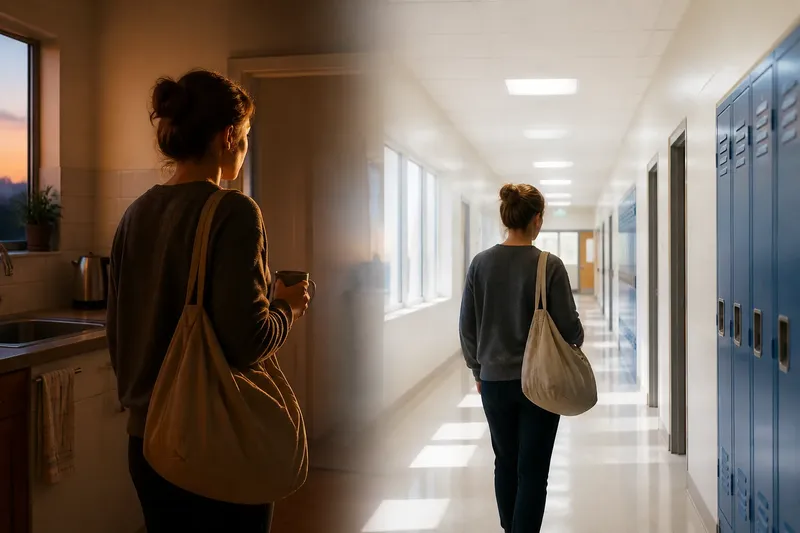
You leave a kitchen at dusk and arrive in a bright school corridor. A hard cut can make the new place feel immediate; a dissolve can suggest that time has slipped by between the two rooms. Choosing between a hard cut or dissolve is less about polish than about what the audience should understand and feel at the boundary.
Both transitions connect one image to another, but they make different claims about the relationship between them. A cut replaces one shot with the next. A dissolve briefly overlaps the outgoing and incoming images, allowing one to fade as the other emerges. Let the change in time, place or mood decide which claim is useful.
Choose a hard cut when the next scene should arrive cleanly
A hard cut is the straightforward choice when the audience needs to register a new scene without being asked to linger on the transition. The old image ends; the new one begins. That sharp boundary can carry surprise, urgency, clarity or simple forward movement, depending on the shots around it.
Use it for a clear change of place when the new location is easy to recognise. A character leaves a bus and the next shot shows them entering an office: if the setting and action already establish the change, a dissolve may add an unnecessary signal. The cut lets the viewer connect the scenes through context rather than visual blending.
A cut also suits a deliberate contrast. Moving from a crowded room to an empty pavement can make the absence feel abrupt. Cutting from a character’s composed expression to a chaotic event can sharpen the difference. In both cases, the transition’s firmness contributes to the meaning rather than merely announcing that the scene has changed.
Choose a cut when an uninterrupted sense of pace matters, too. In a conversation, a change of speaker or viewpoint often reads clearly through a cut because the audience is following the exchange. In a short online video, a cut can move between a presenter and a relevant detail without softening the connection. The new shot should still give the viewer enough information to understand why it follows.
Choose a dissolve when the passage itself matters
A dissolve is useful when you want the audience to feel a transition taking place, rather than simply arrive on its far side. As one image fades into another, the overlap can suggest that time has passed, that one moment is giving way to another, or that the scenes belong to a continuing emotional thread.
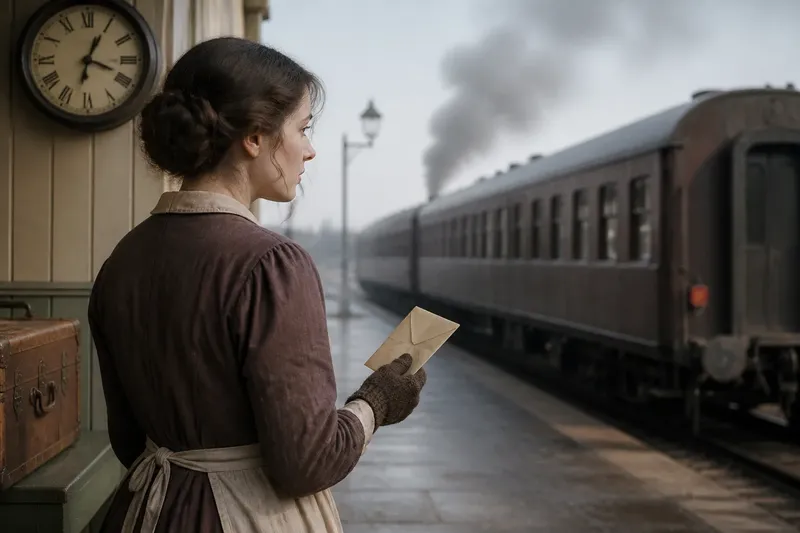
For a noticeable passage of time, a dissolve may suit a move from a character waiting at a station to the same character watching the platform empty. The overlap can imply an interval without spelling out every moment. If the new scene instead begins with an event that needs to surprise the viewer, a hard cut will usually preserve that impact more directly.
A dissolve can also help connect two places when the relationship between them is part of the scene’s meaning. A child’s bedroom fading into a classroom might suggest a shift from private thought to public performance. But if the story simply needs the audience to know that the child has gone to school, a cut is likely clearer and less expressive than necessary.
For a change in mood, consider whether the emotional transition should feel gradual. A tense scene giving way to a calm landscape may benefit from a dissolve if the aim is release, reflection or a lingering sense of what has just happened. If the calm is meant to feel unsettlingly abrupt, the same landscape may work better after a cut.
Let the scene’s main change guide the choice
When time, place and mood all shift at once, decide which change the audience most needs to notice. A dissolve can signal elapsed time while also softening a shift in mood, but stacking several intentions onto one transition can make its purpose hard to read. A cut may be the better choice if the new place or event needs to register plainly before the audience interprets its emotional weight.
Say you are planning an invented scene in which a nurse finishes a quiet night shift and appears later in a busy café. If the important information is that the shift has ended and some time has passed, a dissolve between the empty hospital corridor and the café entrance could make the interval legible. If the story depends on the café’s sudden bustle contrasting with the hush of the corridor, a hard cut would make that change more immediate. The decision follows the intended emphasis, not a rule that one transition is more refined.
Try describing the transition without naming an editing technique: “We should feel the wait,” “This new place should be unmistakable,” or “The contrast should land sharply.” That sentence gives you a practical test. If the intended effect depends on gradual overlap, consider a dissolve; if it depends on a clean arrival or contrast, consider a cut.
Check what the images already communicate
A transition does not have to carry information the shots themselves already provide. A distinctive doorway, a change in wardrobe or a clear shift from daylight to night may establish a new place or time without extra emphasis. Likewise, a dissolve cannot make a vague scene relationship clear by itself. If the viewer cannot tell why the images are being connected, reconsider the shots or add a more meaningful visual link.
Pay attention to the images’ movement and composition. If a figure crosses frame in the first shot and continues in a related direction in the next, a cut may make the action feel continuous. If the outgoing and incoming images are visually busy, their overlap in a dissolve could make the transition harder to read. Conversely, related shapes or a shared position in the frame can make a dissolve feel coherent, though the relationship should still serve the scene.
Sound can shape the boundary without changing the visual transition. Dialogue, room tone or a musical phrase may begin before the cut or continue after it, helping connect scenes that change location. This is often called a sound bridge. It can make a hard cut feel connected, so do not choose a dissolve simply because the new scene otherwise seems separate; consider whether sound can establish the relationship more clearly.
How do hard cuts and dissolves answer common scene questions?
Is a dissolve always a sign that time has passed?
No. It can suggest elapsed time, but it may also connect moods, ideas or places. The surrounding images need to make the intended relationship understandable.
Will a hard cut make a scene feel too abrupt?
Not necessarily. A cut can feel smooth when the action, sound or visual composition links the shots. It feels abrupt when that sharpness conflicts with the effect the scene is meant to create.
Can a dissolve connect two places without confusing the audience?
Yes, if the images establish a meaningful connection and the new setting remains recognisable. If the overlap obscures important details, use a cut or strengthen the visual information in the shots.
Should every scene change use the same transition?
No. Repetition can create a deliberate pattern, but using a dissolve for every change may make it lose force. Choose each transition for the specific relationship between the scenes.
Review the transition in the context of the scene
When editing, compare a clean cut with a dissolve at the same boundary. Watch each version with the shots before and after it, rather than judging the transition in isolation. Ask what you understand about time and place, where your attention goes, and whether the mood shifts at the intended pace. If the dissolve draws attention to itself without adding meaning, the cut may be enough.
There is no universal duration that makes a dissolve feel right. Its length depends on the images, the rhythm of the scene and how long you want the overlap to be perceptible. A brief dissolve can soften a boundary; a more extended one can invite the audience to watch the images coexist. Adjust it while considering the whole passage, not just the moment where the two shots meet.
For an ordinary change of location, start by asking whether the new shot already explains the change; if it does, a hard cut is often the clearer bridge. Choose a dissolve when the interval or emotional movement between scenes deserves attention. That distinction keeps the transition in service of the story, where even a small overlap or sharp boundary can change how the next image feels.